
Additive Manufacturing Excellence
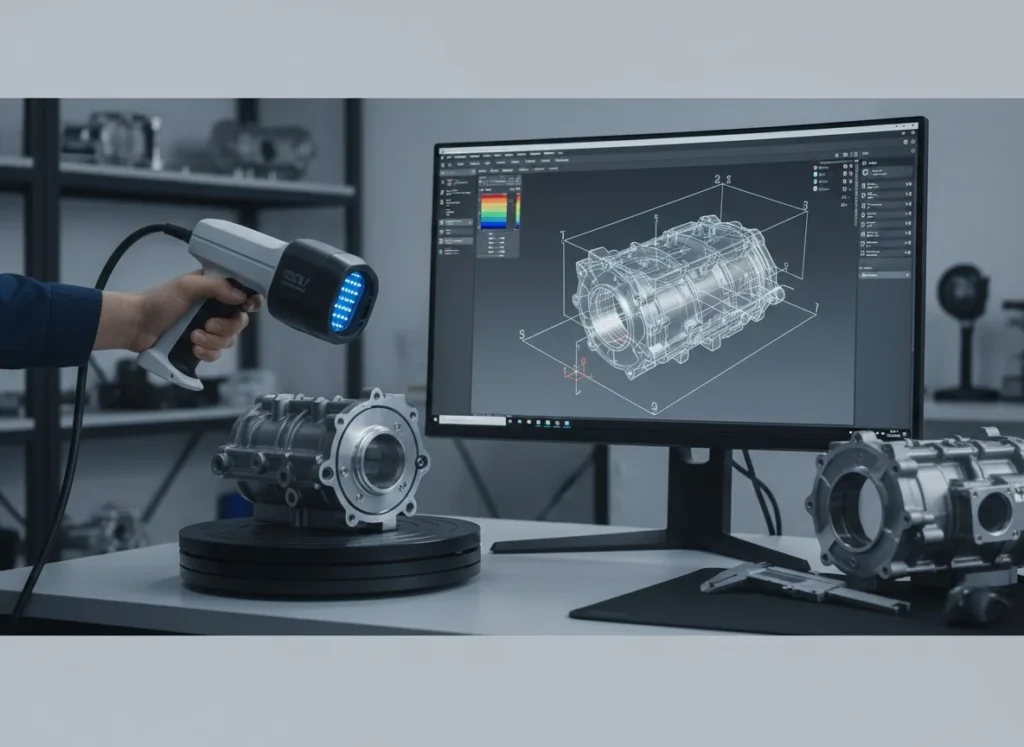

8 Major Processes
Complete coverage of additive manufacturing technologies

11+ Materials
Plastics, metals, ceramics, composites, and resins

Compare & Decide
Interactive tools to find the perfect solution
Additive Manufacturing Processes
Comprehensive overview of all major AM technologies, their capabilities, and applications

Specifications
Build Volume
200x200x200mm to 1000x1000x1000mm
Resolution
50-400 microns
Speed
Medium
Compatible Materials
- PLA
- ABS
- PETG
- Nylon
- TPU
Compatible Materials
- Prototyping
- Functional parts
- Tooling
- Educational
Advantages
- Cost-effective
- Wide material selection
- Easy to use
- Good for prototypes
Limitations
- Lower resolution
- Visible layer lines
- Anisotropic properties
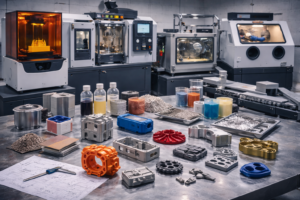
Specifications
Build Volume
145x145x175mm to 300x335x200mm
Resolution
25-100 microns
Speed
Medium-Fast
Compatible Materials
- Standard Resin
- Tough Resin
- Flexible Resin
- Castable Resin
Typical Applications
- Jewelry
- Dental
- Prototypes
- Investment casting
Advantages
- High resolution
- Smooth surface finish
- Complex geometries
- Excellent detail
Limitations
- Limited material options
- Post-processing required
- Material degradation over time
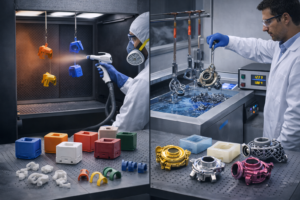
Specifications
Build Volume
300x300x300mm to 750x550x550mm
Resolution
100 microns
Speed
Medium
Compatible Materials
- Nylon
- PA12
- Nylon
- PA11
- TPU
- Polypropylene
Compatible Materials
- Functional prototypes
- End-use parts
- Custom products
- Low-volume production
Advantages
- No support structures needed
- Strong functional parts
- Complex geometries
- Good mechanical properties
Limitations
- Rough surface finish
- Expensive
- Powder handling required
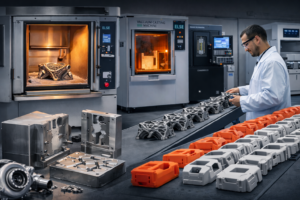
Specifications
Build Volume
250x250x325mm to 500x500x500mm
Resolution
20-100 microns
Speed
Slow Medium
Compatible Materials
- Stainless Steel
- Titanium
- Aluminum
- Inconel
- Cobalt Chrome
Typical Applications
- Aerospace
- Medical implants
- Automotive
- Tooling
Advantages
- Strong metal parts
- Complex geometries
- Excellent mechanical properties
- Production-grade
Limitations
- Very expensive
- Requires support structures
- Post-processing intensive
- Safety considerations
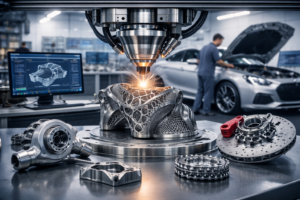
Specifications
Build Volume
400x250x250mm to 1800x1000x700mm
Resolution
100 microns
Speed
Fast
Compatible Materials
- Stainless Steel
- Bronze
- Sand
- Ceramics
Typical Applications
- Sand casting
- Metal parts
- Full-color models
- Architectural models
Advantages
- Fast build speeds
- Large build volumes
- Full color capability
- No support structures
Limitations
- Lower strength
- Porous parts
- Requires infiltration
- Limited material properties
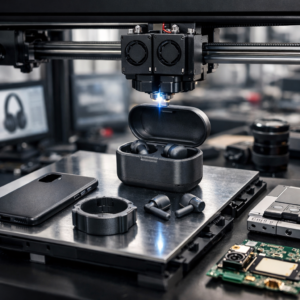
Specifications
Build Volume
294x192x148mm to 490x390x200mm
Resolution
16-32 microns
Speed
Medium
Compatible Materials
- Photopolymers
- Rigid plastics
- Rubber-like materials
- Transparent materials
Typical Applications
- Prototypes
- Medical models
- Consumer goods
- Mold making
Advantages
- Multi-material capability
- High resolution
- Smooth finish
- Full color
Limitations
- Expensive
- Brittle materials
- UV sensitivity
- Support removal required
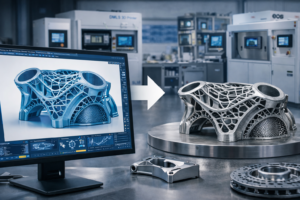
Specifications
Build Volume
120x68x200mm to 192x120x200mm
Resolution
35-100 microns
Speed
Fast
Compatible Materials
- Photopolymers
- Rigid plastics
- Rubber-like materials
- Transparent materials
Typical Applications
- Dental
- Jewelry
- Hearing aids
- Rapid prototyping
Advantages
- Fast print speeds
- High resolution
- Smooth surface
- Cost-effective
Limitations
- Limited build size
- Material constraints
- Post-processing needed

Specifications
Build Volume
200x200x350mm to 350x380x380mm
Resolution
100 microns
Speed
Medium
Compatible Materials
- Titanium
- Ti6Al4V
- Cobalt Chrome
- Inconel
Typical Applications
- Medical implants
- Aerospace
- High-performance parts
Advantages
- Excellent for titanium
- Strong parts
- No residual stress
- High temperature capability
Limitations
- Very expensive
- Rough surface finish
- Vacuum required
- Limited materials
Materials Catalog
Explore our comprehensive range of materials across all categories
- Resins

PLA
Polylactic Acid
Biodegradable thermoplastic derived from renewable resources
Properties
Strength
Flexibility
Medium
Low
Temperature
Density
50–60°C
1.24 g/cm³
Compatible Processes
- Resins
Compatible Processes
- Easy to print
- Biodegradable
- Low warping
Prototypes
- Prototypes
- Educational
- Decorative items
- Resins
PLA
Polylactic Acid
Biodegradable thermoplastic derived from renewable resources
Properties
Strength
Flexibility
Medium
Low
Temperature
Density
50–60°C
1.24 g/cm³
Compatible Processes
- Resins
Compatible Processes
- Easy to print
- Biodegradable
- Low warping
Prototypes
- Prototypes
- Educational
- Decorative items
- Resins
PLA
Polylactic Acid
Biodegradable thermoplastic derived from renewable resources
Properties
Strength
Flexibility
Medium
Low
Temperature
Density
50–60°C
1.24 g/cm³
Compatible Processes
- Resins
Compatible Processes
- Easy to print
- Biodegradable
- Low warping
Prototypes
- Prototypes
- Educational
- Decorative items
- Resins
PLA
Polylactic Acid
Biodegradable thermoplastic derived from renewable resources
Properties
Strength
Flexibility
Medium
Low
Temperature
Density
50–60°C
1.24 g/cm³
Compatible Processes
- Resins
Compatible Processes
- Easy to print
- Biodegradable
- Low warping
Prototypes
- Prototypes
- Educational
- Decorative items
- Resins
PLA
Polylactic Acid
Biodegradable thermoplastic derived from renewable resources
Properties
Strength
Flexibility
Medium
Low
Temperature
Density
50–60°C
1.24 g/cm³
Compatible Processes
- Resins
Compatible Processes
- Easy to print
- Biodegradable
- Low warping
Prototypes
- Prototypes
- Educational
- Decorative items
- Resins
PLA
Polylactic Acid
Biodegradable thermoplastic derived from renewable resources
Properties
Strength
Flexibility
Medium
Low
Temperature
Density
50–60°C
1.24 g/cm³
Compatible Processes
- Resins
Compatible Processes
- Easy to print
- Biodegradable
- Low warping
Prototypes
- Prototypes
- Educational
- Decorative items
- Resins
PLA
Polylactic Acid
Biodegradable thermoplastic derived from renewable resources
Properties
Strength
Flexibility
Medium
Low
Temperature
Density
50–60°C
1.24 g/cm³
Compatible Processes
- Resins
Compatible Processes
- Easy to print
- Biodegradable
- Low warping
Prototypes
- Prototypes
- Educational
- Decorative items
- Resins
PLA
Polylactic Acid
Biodegradable thermoplastic derived from renewable resources
Properties
Strength
Flexibility
Medium
Low
Temperature
Density
50–60°C
1.24 g/cm³
Compatible Processes
- Resins
Compatible Processes
- Easy to print
- Biodegradable
- Low warping
Prototypes
- Prototypes
- Educational
- Decorative items
- Resins
PLA
Polylactic Acid
Biodegradable thermoplastic derived from renewable resources
Properties
Strength
Flexibility
Medium
Low
Temperature
Density
50–60°C
1.24 g/cm³
Compatible Processes
- Resins
Compatible Processes
- Easy to print
- Biodegradable
- Low warping
Prototypes
- Prototypes
- Educational
- Decorative items
- Resins
PLA
Polylactic Acid
Biodegradable thermoplastic derived from renewable resources
Properties
Strength
Flexibility
Medium
Low
Temperature
Density
50–60°C
1.24 g/cm³
Compatible Processes
- Resins
Compatible Processes
- Easy to print
- Biodegradable
- Low warping
Prototypes
- Prototypes
- Educational
- Decorative items
- Resins
PLA
Polylactic Acid
Biodegradable thermoplastic derived from renewable resources
Properties
Strength
Flexibility
Medium
Low
Temperature
Density
50–60°C
1.24 g/cm³
Compatible Processes
- Resins
Compatible Processes
- Easy to print
- Biodegradable
- Low warping
Prototypes
- Prototypes
- Educational
- Decorative items
- Resins
PLA
Polylactic Acid
Biodegradable thermoplastic derived from renewable resources
Properties
Strength
Flexibility
Medium
Low
Temperature
Density
50–60°C
1.24 g/cm³
Compatible Processes
- Resins
Compatible Processes
- Easy to print
- Biodegradable
- Low warping
Prototypes
- Prototypes
- Educational
- Decorative items
- Resins
PLA
Polylactic Acid
Biodegradable thermoplastic derived from renewable resources
Properties
Strength
Flexibility
Medium
Low
Temperature
Density
50–60°C
1.24 g/cm³
Compatible Processes
- Resins
Compatible Processes
- Easy to print
- Biodegradable
- Low warping
Prototypes
- Prototypes
- Educational
- Decorative items
- Resins
PLA
Polylactic Acid
Biodegradable thermoplastic derived from renewable resources
Properties
Strength
Flexibility
Medium
Low
Temperature
Density
50–60°C
1.24 g/cm³
Compatible Processes
- Resins
Compatible Processes
- Easy to print
- Biodegradable
- Low warping
Prototypes
- Prototypes
- Educational
- Decorative items
- Resins
PLA
Polylactic Acid
Biodegradable thermoplastic derived from renewable resources
Properties
Strength
Flexibility
Medium
Low
Temperature
Density
50–60°C
1.24 g/cm³
Compatible Processes
- Resins
Compatible Processes
- Easy to print
- Biodegradable
- Low warping
Prototypes
- Prototypes
- Educational
- Decorative items
- Resins
PLA
Polylactic Acid
Biodegradable thermoplastic derived from renewable resources
Properties
Strength
Flexibility
Medium
Low
Temperature
Density
50–60°C
1.24 g/cm³
Compatible Processes
- Resins
Compatible Processes
- Easy to print
- Biodegradable
- Low warping
Prototypes
- Prototypes
- Educational
- Decorative items
- Resins
PLA
Polylactic Acid
Biodegradable thermoplastic derived from renewable resources
Properties
Strength
Flexibility
Medium
Low
Temperature
Density
50–60°C
1.24 g/cm³
Compatible Processes
- Resins
Compatible Processes
- Easy to print
- Biodegradable
- Low warping
Prototypes
- Prototypes
- Educational
- Decorative items
- Resins
PLA
Polylactic Acid
Biodegradable thermoplastic derived from renewable resources
Properties
Strength
Flexibility
Medium
Low
Temperature
Density
50–60°C
1.24 g/cm³
Compatible Processes
- Resins
Compatible Processes
- Easy to print
- Biodegradable
- Low warping
Prototypes
- Prototypes
- Educational
- Decorative items
- Resins
PLA
Polylactic Acid
Biodegradable thermoplastic derived from renewable resources
Properties
Strength
Flexibility
Medium
Low
Temperature
Density
50–60°C
1.24 g/cm³
Compatible Processes
- Resins
Compatible Processes
- Easy to print
- Biodegradable
- Low warping
Prototypes
- Prototypes
- Educational
- Decorative items
- Resins
PLA
Polylactic Acid
Biodegradable thermoplastic derived from renewable resources
Properties
Strength
Flexibility
Medium
Low
Temperature
Density
50–60°C
1.24 g/cm³
Compatible Processes
- Resins
Compatible Processes
- Easy to print
- Biodegradable
- Low warping
Prototypes
- Prototypes
- Educational
- Decorative items
- Resins
PLA
Polylactic Acid
Biodegradable thermoplastic derived from renewable resources
Properties
Strength
Flexibility
Medium
Low
Temperature
Density
50–60°C
1.24 g/cm³
Compatible Processes
- Resins
Compatible Processes
- Easy to print
- Biodegradable
- Low warping
Prototypes
- Prototypes
- Educational
- Decorative items
- Resins
PLA
Polylactic Acid
Biodegradable thermoplastic derived from renewable resources
Properties
Strength
Flexibility
Medium
Low
Temperature
Density
50–60°C
1.24 g/cm³
Compatible Processes
- Resins
Compatible Processes
- Easy to print
- Biodegradable
- Low warping
Prototypes
- Prototypes
- Educational
- Decorative items
- Resins
PLA
Polylactic Acid
Biodegradable thermoplastic derived from renewable resources
Properties
Strength
Flexibility
Medium
Low
Temperature
Density
50–60°C
1.24 g/cm³
Compatible Processes
- Resins
Compatible Processes
- Easy to print
- Biodegradable
- Low warping
Prototypes
- Prototypes
- Educational
- Decorative items
- Resins
PLA
Polylactic Acid
Biodegradable thermoplastic derived from renewable resources
Properties
Strength
Flexibility
Medium
Low
Temperature
Density
50–60°C
1.24 g/cm³
Compatible Processes
- Resins
Compatible Processes
- Easy to print
- Biodegradable
- Low warping
Prototypes
- Prototypes
- Educational
- Decorative items
- Resins
PLA
Polylactic Acid
Biodegradable thermoplastic derived from renewable resources
Properties
Strength
Flexibility
Medium
Low
Temperature
Density
50–60°C
1.24 g/cm³
Compatible Processes
- Resins
Compatible Processes
- Easy to print
- Biodegradable
- Low warping
Prototypes
- Prototypes
- Educational
- Decorative items
- Resins
PLA
Polylactic Acid
Biodegradable thermoplastic derived from renewable resources
Properties
Strength
Flexibility
Medium
Low
Temperature
Density
50–60°C
1.24 g/cm³
Compatible Processes
- Resins
Compatible Processes
- Easy to print
- Biodegradable
- Low warping
Prototypes
- Prototypes
- Educational
- Decorative items
- Resins
PLA
Polylactic Acid
Biodegradable thermoplastic derived from renewable resources
Properties
Strength
Flexibility
Medium
Low
Temperature
Density
50–60°C
1.24 g/cm³
Compatible Processes
- Resins
Compatible Processes
- Easy to print
- Biodegradable
- Low warping
Prototypes
- Prototypes
- Educational
- Decorative items
- Resins
PLA
Polylactic Acid
Biodegradable thermoplastic derived from renewable resources
Properties
Strength
Flexibility
Medium
Low
Temperature
Density
50–60°C
1.24 g/cm³
Compatible Processes
- Resins
Compatible Processes
- Easy to print
- Biodegradable
- Low warping
Prototypes
- Prototypes
- Educational
- Decorative items
- Resins
PLA
Polylactic Acid
Biodegradable thermoplastic derived from renewable resources
Properties
Strength
Flexibility
Medium
Low
Temperature
Density
50–60°C
1.24 g/cm³
Compatible Processes
- Resins
Compatible Processes
- Easy to print
- Biodegradable
- Low warping
Prototypes
- Prototypes
- Educational
- Decorative items
- Resins
PLA
Polylactic Acid
Biodegradable thermoplastic derived from renewable resources
Properties
Strength
Flexibility
Medium
Low
Temperature
Density
50–60°C
1.24 g/cm³
Compatible Processes
- Resins
Compatible Processes
- Easy to print
- Biodegradable
- Low warping
Prototypes
- Prototypes
- Educational
- Decorative items
Materials Catalog
Explore our comprehensive range of materials across all categories
PLA
Biodegradable thermoplastic derived from renewable resources
ABS
Strong and durable thermoplastic commonly used in manufacturing
TPU
Flexible elastomer with rubber-like properties
Standard Resin
General-purpose resin for high-resolution prints
Tough Resin
High-performance resin with ABS-like properties
316L Stainless Steel
Corrosion-resistant stainless steel alloy
Ti6Al4V
Aerospace-grade titanium alloy
AlSi10Mg
Lightweight aluminum alloy with good mechanical properties
Alumina
High-performance ceramic material
Carbon Fiber Nylon
Nylon composite reinforced with carbon fiber
Industries We Serve
Discover how Additive Manufacturing is Solving Industrial Challenges by 3D Printing in every industry, everyday
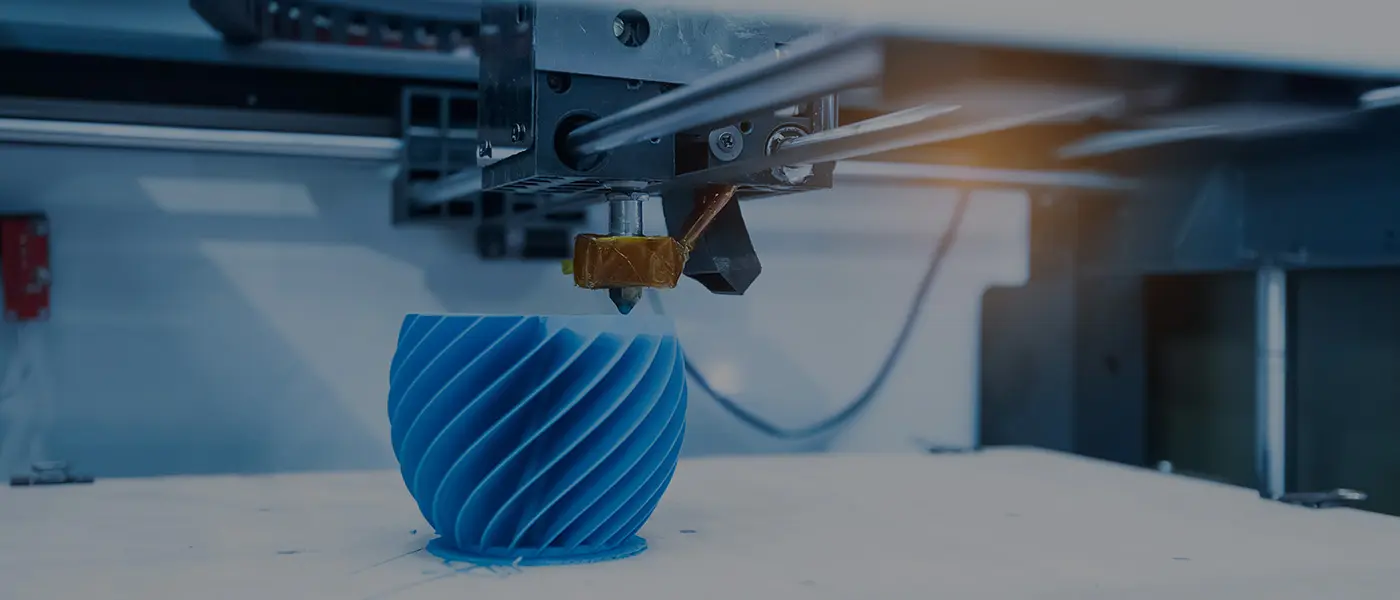
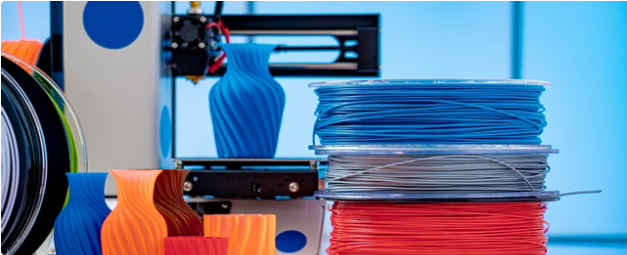
Aerospace
Lightweight, high-strength components for aircraft and spacecraft
Key Processes:
Benefits
- Weight reduction
- Complex geometries
- Rapid prototyping
Medical & Dental
Custom implants, surgical guides, and dental prosthetics
Key Processes:
Benefits
- Patient-specific
- Biocompatible
- Complex anatomies
Automotive
Prototypes, tooling, and end-use performance parts
Key Processes:
Benefits
- Rapid prototyping
- Custom parts
- Lightweighting

Consumer Products
Custom products, prototypes, and short-run production
Key Processes:
Benefits
- Customization
- Rapid iteration
- Low-volume production
Industrial Manufacturing
Jigs, fixtures, tooling, and production aids
Key Processes:
Benefits
- Cost reduction
- Lead time reduction
- Customization
Compare Processes & Materials
Interactive Comparison Tool
Resolution
100 microns
Speed
Medium
Build Volume
300x300x300mm to 750x550x550mm
Advantages
- No support structures needed
- Strong functional parts
- Good mechanical properties
- Good for prototypes
Limitations
- Rough surface finish
- Expensive
- Powder handling required
Resolution
20-100 microns
Speed
Slow-Medium
Build Volume
250x250x325mm to 500x500x500mm
Advantages
- Strong metal parts
- Complex geometries
- Excellent mechanical properties
- Production-grade
Limitations
- Very expensive
- Requires support structures
- Post-processing intensive
- Safety considerations