__What Is SLA (Stereolithography)?__

SLA 3DPRINTING Services

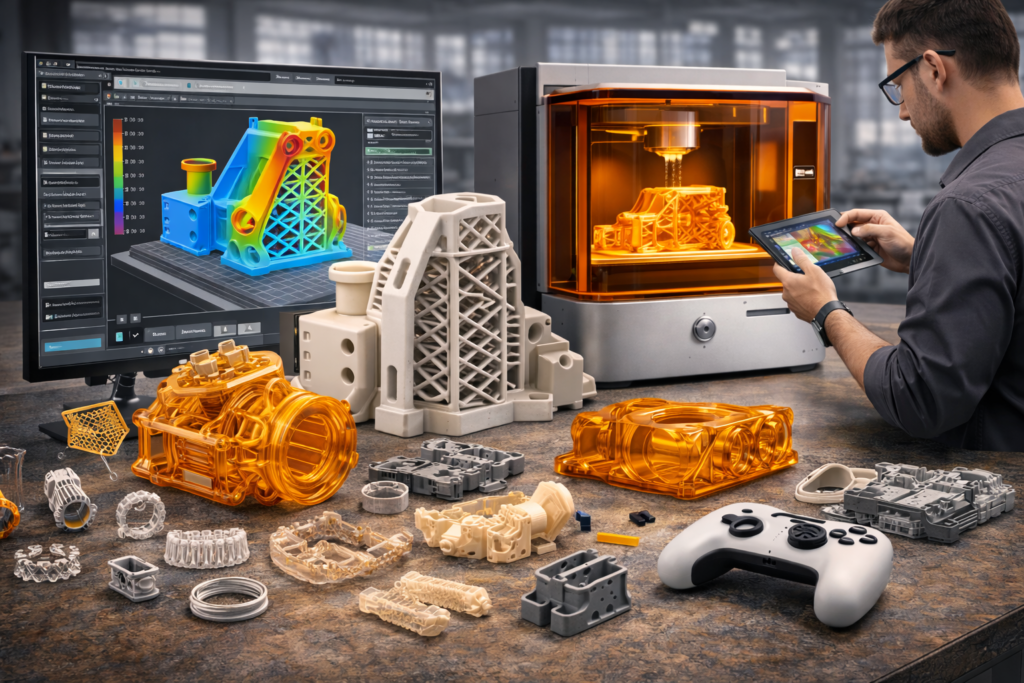
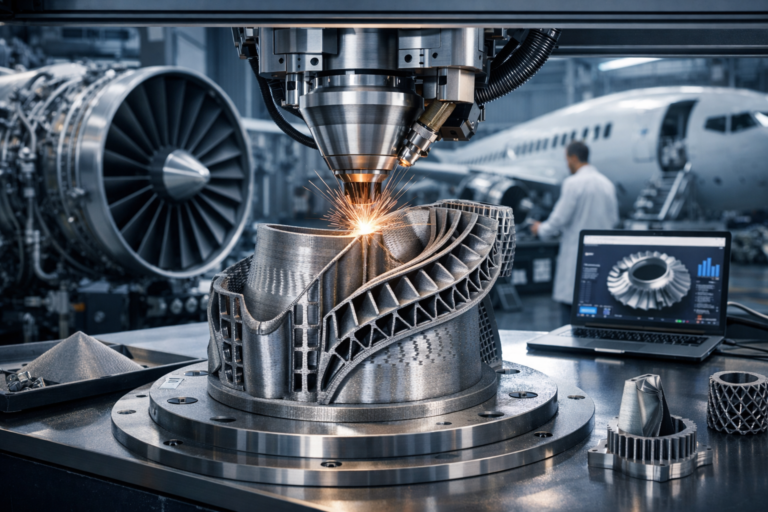
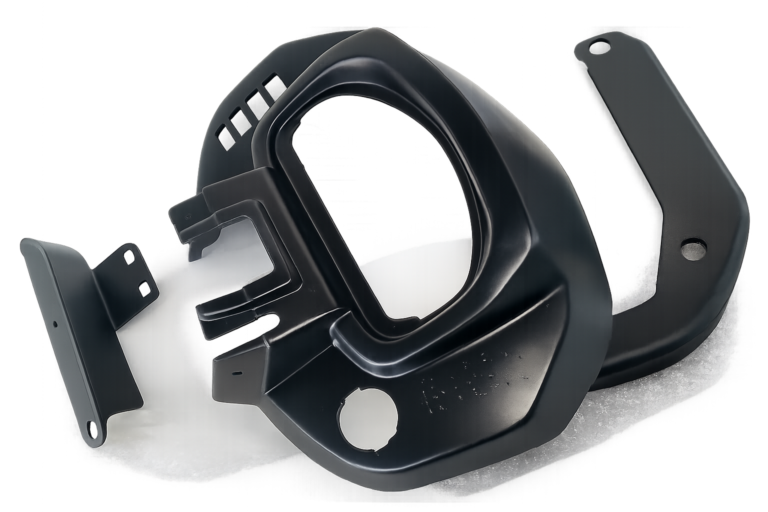
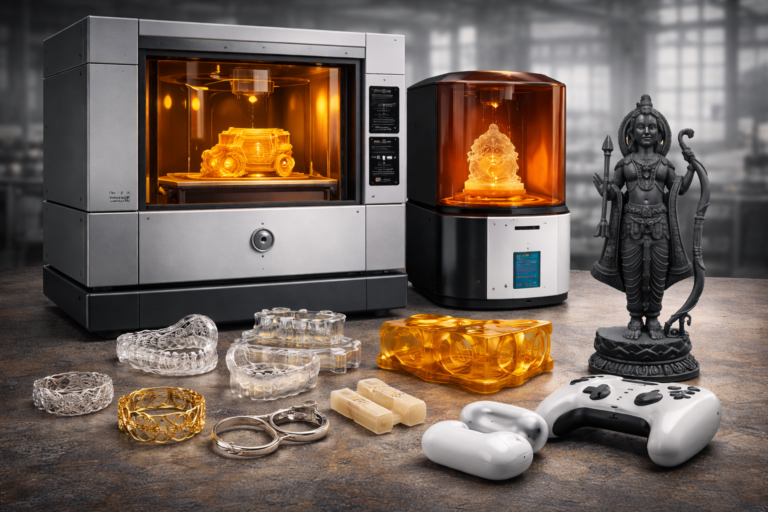
Stereolithography (SLA) is an additive manufacturing process that uses a UV laser to selectively cure liquid photopolymer resin layer by layer into solid parts.

±25μm

Accuracy

24–48hr

Turnaround

12+

Materials

500k+

Parts Delivered
Why SLA · DLP · Photopolymer Resin 3D Printing?

High-Precision Stereolithography SLS 3D Printing for Visual, Functional, and Engineering Applications

At Indium-Protofy3D Our SLA (Stereolithography) and DLP Resin 3D Printing delivers surface finishes and dimensional accuracy impossible with any powder or filament process — the gold standard for dental, medical, jewellery, and precision engineering applications.

SLA for Production & Scalability

SLA is primarily optimized for high-precision prototyping and low-volume production, making it ideal for applications where surface finish, detail, and accuracy are critical.

Qualified SLA Materials

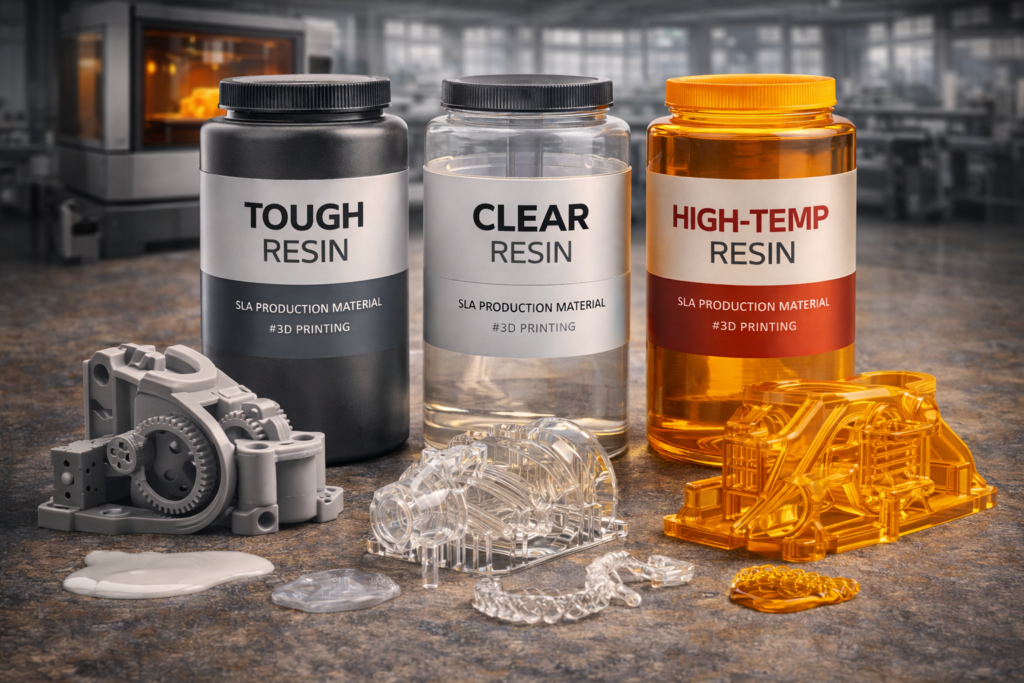
Stereolithography (SLA) uses versatile SLA material portfolio supporting visual, functional, thermal, and casting applications

Industrial SLA Infrastructure

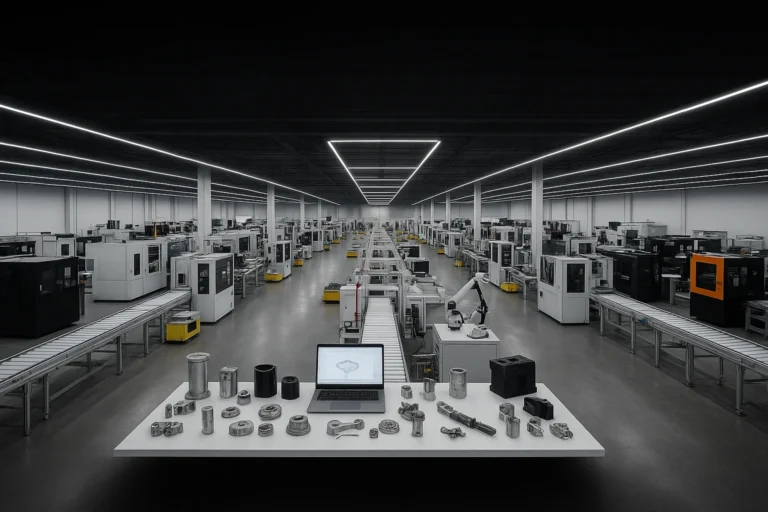
Our SLA infrastructure is built to deliver exceptional precision, surface quality, and repeatability for prototyping, validation, and low-volume production.

Design for SLA (DFAM)

Optimizing designs for SLA ensures print accuracy and part performance:
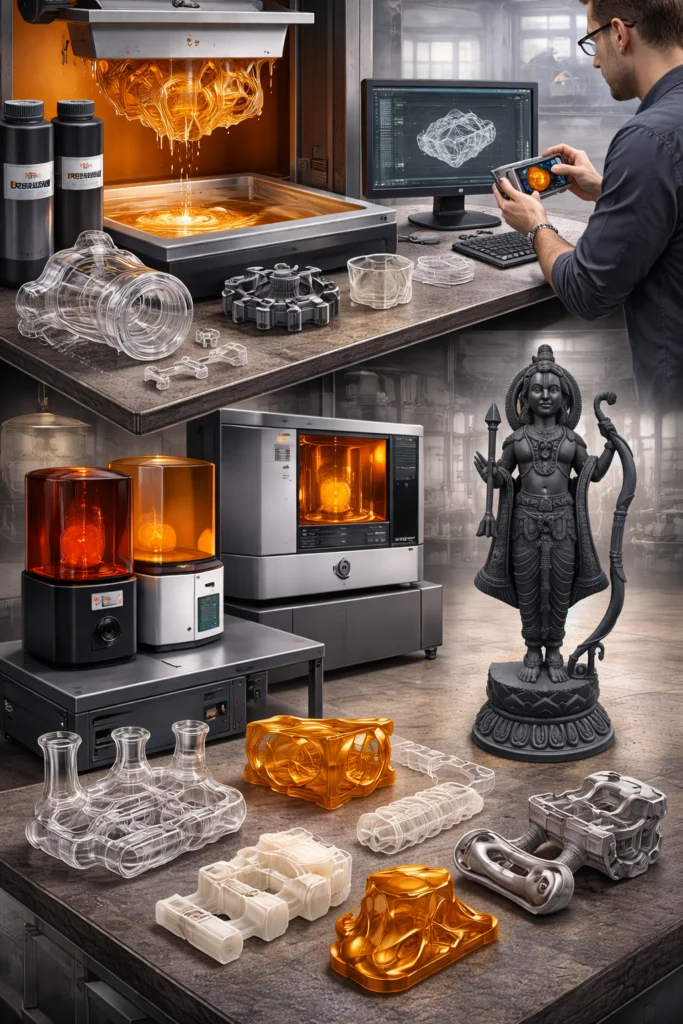
How SLA 3D Printing Process Works?

Industrial SLA and DLP 3D printing services for engineers who can’t compromise on accuracy. From complex micro-features to end-use functional components — delivered fast.

File Preparation & DFM Review

Our engineers analyze your CAD file for printability, wall thickness, and design-for-manufacture optimizations.


Orientation & Support Generation

Strategic part orientation minimizes support contact and ensures optimal surface quality on critical faces.

Layer-by-Layer Photopolymerization

UV laser (SLA) or masked UV projector (DLP) cures each layer of photopolymer resin to micron precision.


IPA Wash & Post-Cure

Parts are cleaned in isopropyl alcohol, then UV post-cured to achieve final mechanical properties.


QC Inspection & Delivery

__WORKFLOW Process Breakdown - From file upload to QC-certified delivery__
Why Partner with Us for SLA Manufacturing

Precision-Driven Stereolithography (SLA) 3D Printing Capabilities

Our Stereolithography (SLA) 3d printing services at Indium-Protofy3D delivers strong, accurate, and repeatable polymer parts—engineered for functional prototypes, bridge manufacturing, and serial production.

__Why Choose Us__ Why Choose SLA / DLP?

Industrial-Grade SLA/DLP Infrastructure. Measurable Results

Professional stereolithography systems calibrated for repeatability and certified for precision manufacturing.

BENEFITS

  • High resolution
  • Smooth Surface Finish
  • Complex Geometries.
  • Excellent Details.

LIMITATIONS

  • UV Sensitive
  • Material Range is limited
  • Post-Processing required
  • Material degradation on Time
LARGE_BUILD_VOLUME
Minimum Feature Size
LAYER_RESOLUTION
DIMENSIONAL_ACCURACY
Laser Wavelength
Post-Cure System
Surface Roughness
FILE_FORMATS
STANDARD_LEAD_TIME
RUSH_LEAD_TIME
POST_PROCESSING
CERTIFICATIONS
Technology

SLA vs DLP

Two processes. Different strengths. Our engineers will recommend the right one for your geometry, tolerances, and volume.

Curing Method
Point-scanning UV laser
Best For
Large parts with fine detail
Layer Accuracy
25–50μm
Build Volume
Up to 335 × 200 × 300 mm
Speed
Layer-by-layer scan (slower for small batches)
Ideal Applications
Engineering models, large prototypes, complex geometry
Curing Method
Point-scanning UV laser
Best For
Large parts with fine detail
Layer Accuracy
25–50μm
Build Volume
Up to 335 × 200 × 300 mm
Speed
Layer-by-layer scan (slower for small batches)
Ideal Applications
Engineering models, large prototypes, complex geometry
Why Choose Us The SLA Manufacturing Advantage

Precision-Driven SLA Manufacturing Infrastucture

Large Build Volume

145x145x175mm upto 300x335x200mm

Resolution
25-100 microns
Speed
Medium / Fast

Compatible Materials

Typical Applications

Benefits

Limitations

Lead Time

Cost Considerations

5/5
Accuracy
4/5
Speed
Accuracy 5/5
Speed 4/5

Validated SLA Manufacturing Capabilities for Enterprise Use

Materials Available for SLA 3D Printing

We offer a wide range of engineering and application-specific photopolymer resins designed for high accuracy, fine detail, and excellent surface finish

Result: Precision-grade SLA materials mapped to visual, functional, thermal, flexible, and casting applications.

Applications of SLA 3D Printing

SLA (Stereolithography) is widely used where precision, surface finish, and fine detail are critical to design, validation, and low-volume production.

Result: Precision-grade SLA materials selected for detail, function, heat, flexibility, and casting workflows.

Design for SLA (DFAM)

Design for SLA (DfAM) focuses on creating parts that fully leverage stereolithography’s strengths

Result: Highly accurate, visually refined, and print-ready SLA parts optimized for validation, presentation

SLA Quality & Process Control

Consistent SLA output relies on precise control of equipment, resin behavior, and post-processing to achieve high accuracy and surface quality.

Result: Repeatable, high-precision SLA parts with reliable surface finish and dimensional accuracy.

FDM Production & Scalability

FDM supports seamless scaling from rapid prototypes to low- and medium-volume production without tooling constraints.

Result: Precise, production-quality SLA parts for validation, tooling, and short-run manufacturing—before transitioning to higher-volume technologies.

SLA Post-Processing

Post-processing is a critical step in SLA to achieve final mechanical performance, surface quality, and visual refinement.

Result: Clean, accurate, and visually refined SLA parts ready for validation, presentation, or end use.

__High-Performance SLA Part Design & Optimization__

Enterprise-Grade Engineering Design for Production-Ready Stereolithography (SLA) Parts

__SLS Design Guidelines__

The Right SLA/DLP Design Guidelines at every volume.

Resin printing achieves detail impossible in FDM or SLS — but a few rules ensure parts emerge clean, dimensionally accurate, and cosmetically perfect.

FDM Design Guidelines
Not sure if your design is SLA/DLP - ready? Upload your file and our engineers will provide a free DFM review.

DO

Minimum supported wall thickness: 0.4mm (DLP) / 0.5mm (SLA). Recommended 0.8mm+ for structural walls.

DO

Unsupported horizontal walls (bridges) should be limited to spans below 1mm. Larger spans need supports.

DONT

Avoid walls below 0.3mm — they may not cure fully and will crack during support removal.

TIPS

SLA walls are isotropic — unlike FDM, vertical and horizontal walls have equal strength once post-cured.

DO

Orient parts at 15–45° to the build platform to minimise support contact on cosmetic surfaces.

DO

Place cosmetic or precision surfaces facing away from the build platform to avoid platform witness marks.

DONT

Avoid orientating large flat surfaces parallel to the build plate — peel forces will cause delamination.

TIPS

Tell us which surfaces are critical — we optimise orientation to keep supports away from key features.

DO

Minimum printable hole diameter: 0.5mm (DLP) / 1.0mm (SLA). Drill critical precision bores after printing.

DO

Add 0.1–0.15mm clearance to press-fit or interference-fit holes to account for resin shrinkage.

DONT

Do not rely on printed threads below M4 — use heat-set inserts or post-machined threads for reliability.

TIPS

Vertical holes (parallel to Z axis) print with better roundness than horizontal holes.

DO

Overhangs beyond 45° from vertical require supports. We add and remove these as part of our service.

DO

Bridging spans below 1mm print reliably unsupported. Plan openings to keep spans minimal.

DONT

Don't assume self-supporting overhangs at 50°+ — resin is liquid during curing and will sag.

TIPS

Chamfer overhanging features at 45° to eliminate support requirements and improve surface quality.

DO

Embossed text: minimum 0.3mm stroke width, 0.3mm height. SLA/DLP resolution surpasses FDM significantly.

DO

Engraved text: minimum 0.3mm depth, 0.4mm stroke width for legible results.

DONT

Serif fonts below 3mm height will lose fine detail — use bold sans-serif for small text.

TIPS

DLP offers finer XY resolution than SLA for very small text and logos — request DLP for label-heavy parts.

Additive Manufacturing (AM)

DO

Design light-pipe walls at 2–4mm thickness for optimal light transmission in clear resin.

DO

Specify optical polish if transparency is critical — we sand progressively to 2000 grit and apply clear coat.

DONT

Do not expect off-the-shelf SLA parts to be optically clear — post-processing to clear is a separate step.

TIPS

Internal surfaces of hollow clear parts cannot be polished — keep hollow sections large enough to see into.

Key design considerations to improve strength, accuracy, surface finish, and print success

SLA Design - Minimum Wall Thickness

Maintaining adequate wall thickness is essential for print stability, strength, and surface quality in SLA (Stereolithography).

General guidelines:

Best practice: Keep wall thickness uniform and avoid sudden transitions to reduce warping, cracking, and print failure.

SLA Design - Overhangs & Support Structures

SLA printing requires support structures to stabilize overhangs, anchor parts to the build platform, and maintain dimensional accuracy during printing and post-curing.

Result: Stable prints, higher success rates, and smooth surface finish after support removal and post-processing.

SLA Design - Part Orientation & Strength Direction

Part orientation in SLA directly impacts mechanical strength, surface quality, accuracy, and support placement.

Best practices:

Recommendation: Improve mechanical reliability, smoother surfaces, and predictable dimensional performance in SLA-printed parts.

SLA Material -Tolerances & Fit

SLA offers some of the tightest tolerances among polymer 3D printing processes, making it well suited for precision parts, assemblies, and validation models.

Best practice: Allow sufficient clearance for post-processing steps such as support removal, curing, and surface finishing.

SLA Material-Specific Design Adjustments

Adapting SLA part design to the selected SLA resin is essential for achieving reliable performance, print success, and post-processing quality.

Goal: SLA Resin-aware designs with predictable strength, accuracy, and finish.

SLA Design - Post-Processing Allowances

Designing SLA parts with post-processing ensures dimensional accuracy, surface quality, and overall print success after cleaning and curing.

Result: SLA parts that transition smoothly through post-processing with minimal rework and consistent final quality.

__Materials for Functional Performance__

Engineering-Grade Stereolithography (SLA) Materials

Choose from our extensive selection of materials. Each material has unique properties, advantages, and ideal use cases<br>We offer a wide range of Stereolithography (SLA) 
thermoplastics to match functional and environmental requirements:

SLA 3D Printing Material Comparison

Material TypeMechanical BehaviorThermal PerformanceSurface & DetailTypical Applications
Standard / Rigid ResinsRigid, brittleLow–moderateExcellent, ultra-smoothVisual models, presentation parts
Tough / ABS-Like ResinsTough, impact-resistantModerateSmooth, high detailFunctional prototypes, enclosures
High-Temperature ResinsRigid under heatHighSmoothTooling inserts, thermal testing
Flexible / Rubber-Like ResinsElastic, flexibleLowSmooth, soft-touchSeals, gaskets, grips
Clear / Transparent ResinsRigid–moderateModerateOptical clarity (post-finish)Fluid models, lenses, displays
Castable ResinsBrittle, burnout-readyLowFine detailCasting patterns, dental, jewelry

Find answers to common questions about our services, processes, and capabilities.

Frequently Asked Question (FAQ)

What is SLA 3D printing technology?

Stereolithography (SLA) is an additive manufacturing process that uses a UV laser to cure liquid photopolymer resin layer-by-layer, producing highly detailed parts with smooth surface finishes.

Digital Light Processing (DLP) uses a digital projector to cure an entire layer of resin at once, allowing faster printing while maintaining high resolution and fine detail.

Both technologies use liquid photopolymer resins, but SLA uses a scanning laser to cure resin point-by-point, while DLP uses projected light to cure an entire layer simultaneously.

SLA and DLP technologies are ideal for high-detail prototypes, visual models, medical components, dental models, casting patterns, and small precision parts.

These technologies offer extremely fine layer resolution and smooth surface finishes, making them suitable for applications requiring high dimensional accuracy and intricate detail.

What materials are used in SLA and DLP printing?

Both technologies use photopolymer resins, including standard resins, engineering resins, high-temperature resins, flexible resins, and castable resins.

Engineering resins provide improved mechanical properties such as impact resistance, heat resistance, and stiffness for functional testing applications.

Yes. Flexible and elastic resins are available that simulate rubber-like properties for gaskets, seals, and flexible product prototypes.

Castable resins are designed for investment casting processes commonly used in jewelry manufacturing and precision metal casting.

Certain engineering-grade resins can be used for functional prototypes, although they generally have lower mechanical strength compared to nylon materials used in SLS printing.

What file formats are accepted for SLA or DLP printing?

Common file formats include STL, STEP, IGES, and OBJ files exported from standard CAD software.

Typical minimum wall thickness ranges between 0.5 mm and 1 mm, depending on part geometry and resin type.

These technologies can achieve high precision with tolerances typically around ±0.1 mm to ±0.2 mm depending on part size and orientation.

Yes. SLA and DLP prints typically require support structures to stabilize overhangs during the printing process.

Yes. SLA and DLP are known for producing extremely fine details, sharp edges, and complex geometries. 

Is SLA suitable for production manufacturing?

SLA is generally used for prototyping and small-batch production of detailed parts rather than large-scale manufacturing.

Industrial SLA printers typically have build volumes ranging from 200 mm to 800 mm, depending on the system.

Print times depend on part size and layer thickness but typically range from several hours to a few days.

Yes. Multiple parts can be arranged within the build platform to improve production efficiency.

Industries include medical devices, dental, consumer product design, automotive prototyping, and electronics development.

Is SLA printing expensive?

SLA printing costs vary depending on resin type, part size, and finishing requirements but are generally cost-effective for high-detail prototypes.

Cost depends on resin material, part volume, build time, support structures, and post-processing.

For small quantities and prototype development, SLA is significantly cheaper since it eliminates tooling costs.

Yes. Orientation influences support requirements, print time, and material usage.

Yes. SLA enables rapid prototyping, allowing engineers to test and refine designs quickly before production.

Blog

The standard Lorem Ipsum passage

Lorem ipsum dolor sit amet, consectetur adipiscing elit, sed do eiusmod tempor incididunt ut labore et dolore magna aliqua. Ut...

Lorem Ipsum

“Neque porro quisquam est qui dolorem ipsum quia dolor sit amet, consectetur, adipisci velit” “There is no one who loves...

Where can I get some?

There are many variations of passages of Lorem Ipsum available, but the majority have suffered alteration in some form, by...
Image feeds

Gallery Images

Our gallery showcases the precision, creativity, and innovation that 3D printing makes possible.
__TESTIMONIALS__

Engineers trust us with their critical parts.

Indium Protofy 3d transformed our prototyping workflow. Their support team is exceptional—always responsive and knowledgeable.

Naresh Singh Manager - NPD

The quality of both their printers and service is unmatched. We've reduced our production time by 60%.

Prerit Varshney Founfer - Cad Designer

Repaired Makerbot machine satisfactorily. Downtime is virtually zero. Nice Engineering staff.

Ajay Aero Scientist - Aviation

Outstanding service and quality. Their MJF parts are perfect for our production assemblies

Parvesh Kumar R&D Head

Indium has transformed our surgical planning process. The precision and turnaround time are exceptional.

Dr. Venugopal Ortho Dept.

The detail and quality of SLA castable patterns have elevated our jewelry designs significantly.

Priya Sachdeva Designer-Jewellry

The additive manufacturing solutions significantly reduced our prototype development cycle. Functional parts were delivered within days, allowing us to validate fit and performance faster than conventional machining methods.

Head of R&D Automotive OEM

Dimensional accuracy and material consistency were critical for our application. The team delivered aerospace-grade prototypes with excellent surface quality and tight tolerances. Their structured workflow and documentation process met our compliance expectations.

Senior Design Engineer Aerospace Supplier

Their rapid prototyping capabilities allowed us to refine our medical device enclosure across multiple iterations. Turnaround times were exceptional, and the design-for-manufacturing feedback was invaluable.

Founder & CTO MedTech Startup

We required rapid iteration during product development. The ability to transition from CAD optimization to production-ready prototypes under one roof streamlined our entire engineering process

Product Development Manager Drone Startup

Ready to Start Your Project?

Get an instant quote by uploading your CAD files. No account required.

    Drop CAD files here or click to browse


    Supported formats: .stl, .step, .stp, .obj, .3mf, .iges

    Maximum file size: 500MB

    Start Manufacturing

    Additive Manufacturing

    On-Demand

    Upload your Design?

    Any Questions?

    From Prototyping to Production, Indium has the technology and capabilities to get your project off the ground.
    Scroll to Top